


Laboratory for
What we do
The Rivnay Group at Northwestern University engineers organic bioelectronic materials, devices and systems for interfacing between the complex world of biology and traditional optoelectronics.
Our interests involve understanding the unique active properties of organic (small molecule and polymeric) materials, including mixed ionic–electronic conduction and actuation, and utilizing their strengths for sensing and stimulation in biomedical settings. These fall into four areas, with applications ranging from probes for neural engineering to in vitro platforms and regenerative scaffolds.
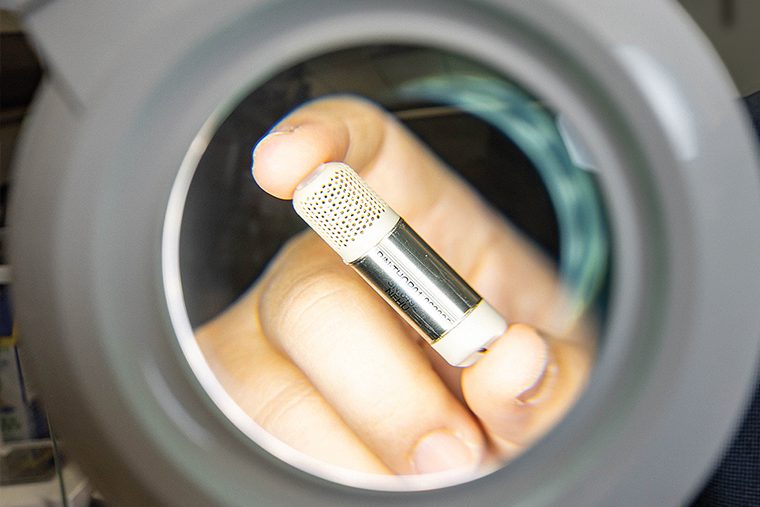
Living electronics
Bioelectronics meets synthetic biology: biohybrid devices that regulate engineered cells as living therapeutics.
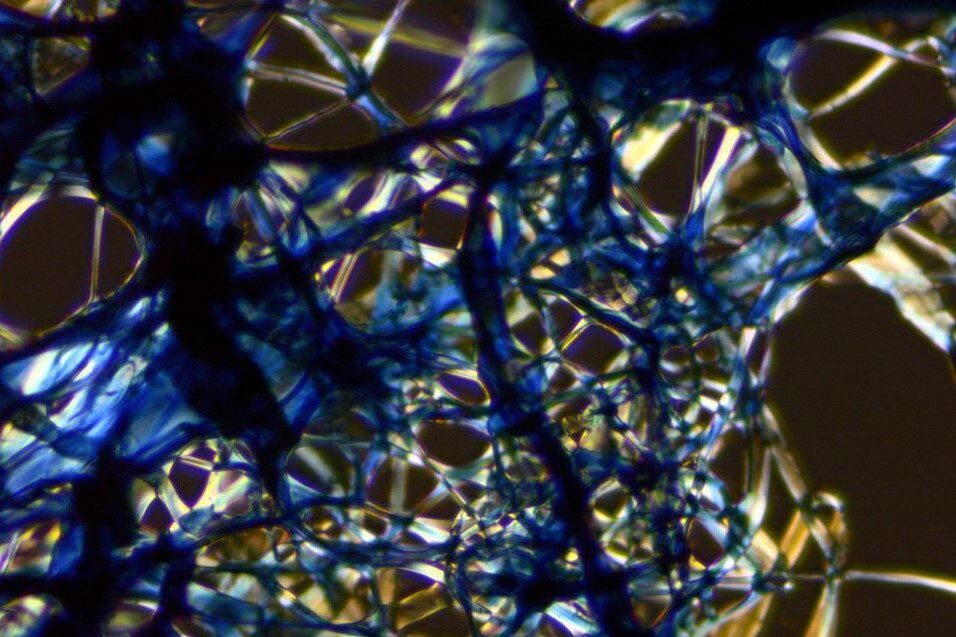
Fundamentals & materials design
How organic mixed ionic–electronic conductors work, and how to design new ones for performance and stability.
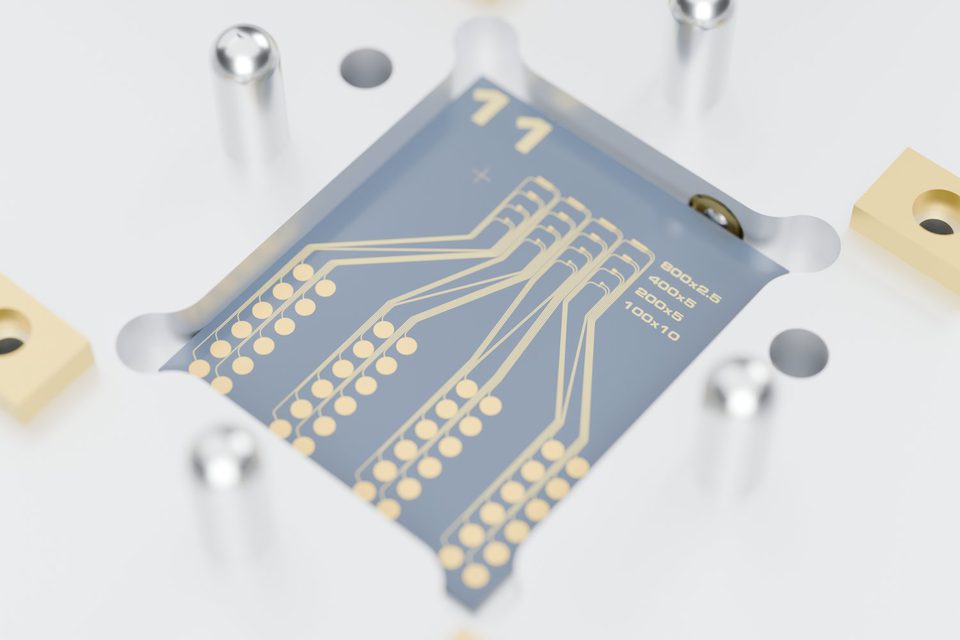
Sensors & circuits
Organic electrochemical transistors and hybrid circuits for physical, electrical, and chemical sensing.
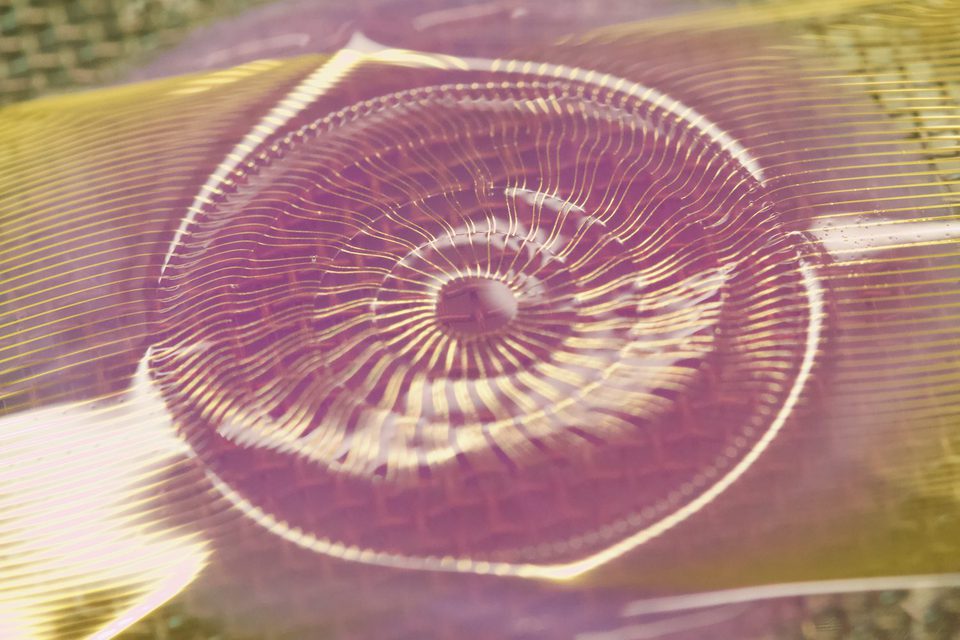
Applications
Implantable and wearable devices, regenerative engineering, and in vitro platforms.
Recent news
-
award
Jonathan named 2026 Blavatnik National Awards Laureate
Jonathan Rivnay has been named the 2026 Blavatnik National Awards Laureate in Physical Sciences & Engineering, one of three Laureates chosen from 372 nominees...
-
award
Jonathan named Finalist for 2026 Blavatnik National Awards for Young Scientists
Jonathan Rivnay has been named one of 18 Finalists for the 2026 Blavatnik National Awards for Young Scientists, chosen from 372 nominees at 187...
-
group
A roundup of group news since our last update.


Recent publications
- 2026
-
2026
Backbone Engineering of Benzodifurandione-Based n-Type OMIECs With Antiambipolar Behavior
Advanced Electronic Materials
- 2026
- 2026
- 2026
-
2026
Coupled Ionic–Electronic Transport in Vertical OECTs: A Combined Experimental and Simulation Study
Advanced Electronic Materials