Research
One of the long-standing barriers in bioelectronics is the need to overcome mismatches at the interface between biological tissue and traditional electronics.
The Rivnay Group targets polymer-based electronic materials (organic electronics) to overcome the signaling gap (translation between ionic/biomolecular communication in biology and electronic communication in optoelectronics), and the mechanical mismatch (soft vs. hard). Our work spans the fundamental (materials science, chemistry) to the applied, targeting new ways to enhance communication across the device/tissue gap and improving sensing and stimulation for applications in neural interfacing and regenerative engineering.
Living electronics
Bioelectronics and synthetic biology for living therapeutics
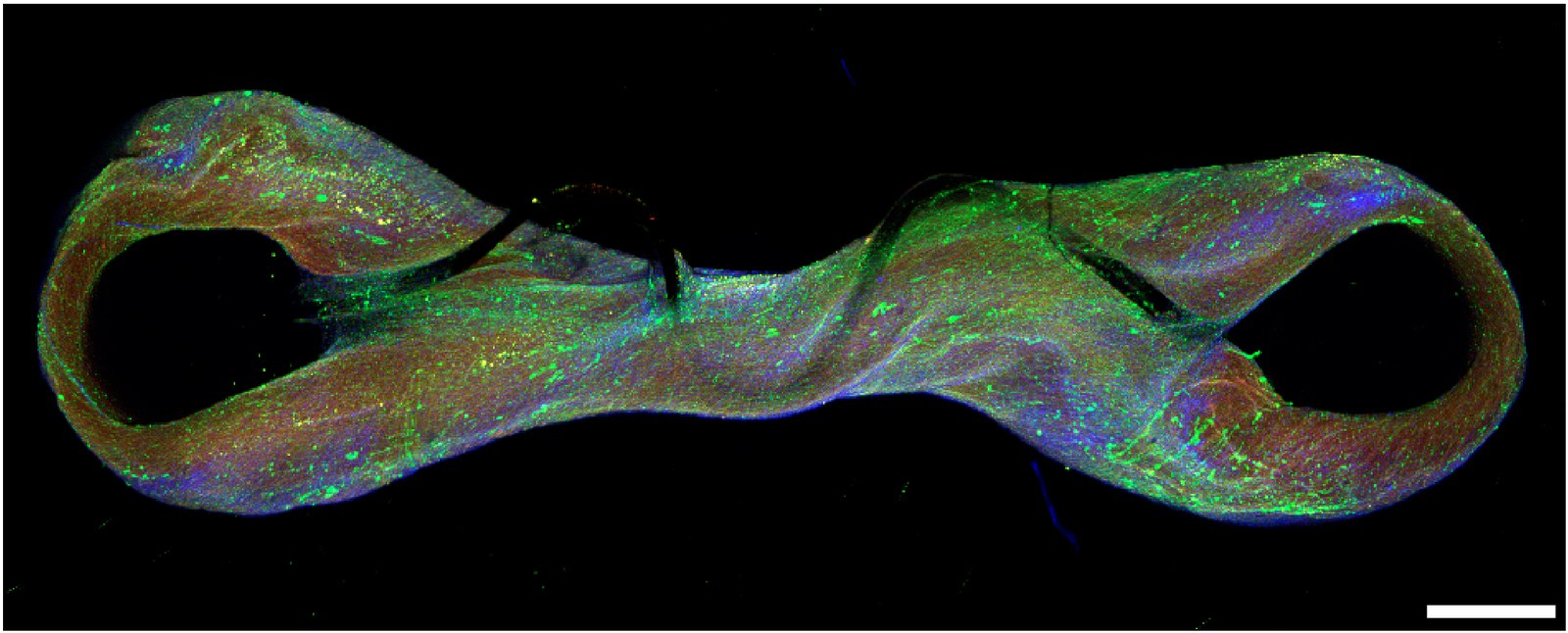
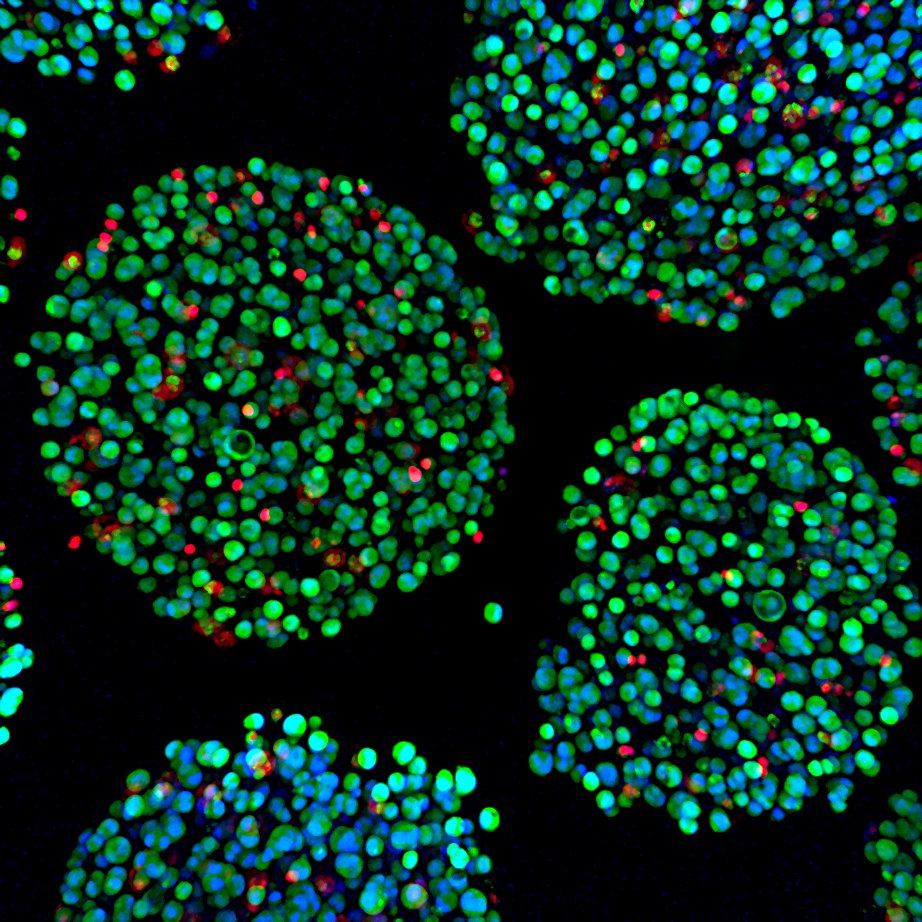
The union of bioelectronics with synthetic biology provides unique and exciting opportunities in the realm of materials and biomedical engineering. For example, combining bioelectronics with engineered mammalian cells is a transformative opportunity in regulated, personalized therapeutics. This approach involves combining the strengths of synthetic biology, namely biological specificity that leverages the natural machinery of cells, with bioelectronic systems, which offer precision timing, dose control, and communication with established sensing technologies and clinical feedback.
Activities in the group center on development and characterization of biohybrid devices that rely on bioelectronics to initiate the production of native peptides, control therapeutic dose, and support the health and productivity of these “cell factories.” Current efforts work towards regulation of circadian rhythms and control of cancer immunotherapies.
In addition, the combination of organic bioelectronic devices with supported lipid bilayers infiltrated with cell-free expressed transmembrane proteins provides exciting new opportunities for novel sensors and neuro-mimetic devices.
Selected papers
- Integrating bioelectronics with cell-based synthetic biologyNature Reviews Bioengineering, 2025
- Electrocatalytic on-site oxygenation for transplanted cell-based-therapiesNature Communications, 2023
- Droplet Polymer Bilayers for Bioelectronic Membrane InterfacingJournal of the American Chemical Society, 2024
Fundamentals & materials design
Synthesis, processing, and mixed conduction
Core to tapping into the unique properties of organic electronic materials for bioelectronics is understanding how they work, so that we can design new materials for peak performance, stability, and processability.
Structure–property studies
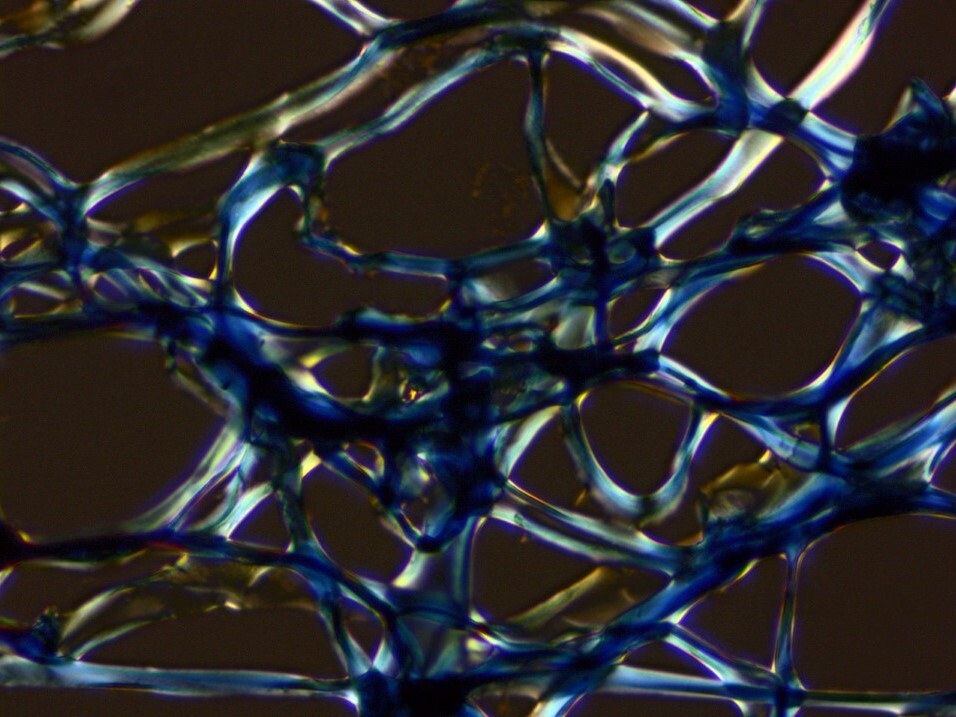
To guide materials design and processing, we must understand how organic electronic materials interact with their environment. Our group is first and foremost interested in the mixed ionic/electronic transport and coupling of organic bioelectronic materials. We study these properties with a combination of structural and spectroscopic probes, device transport measurements, and collaboration with computational groups. Operando measurements are critical in these efforts to understand processes in device-relevant conditions.
New materials
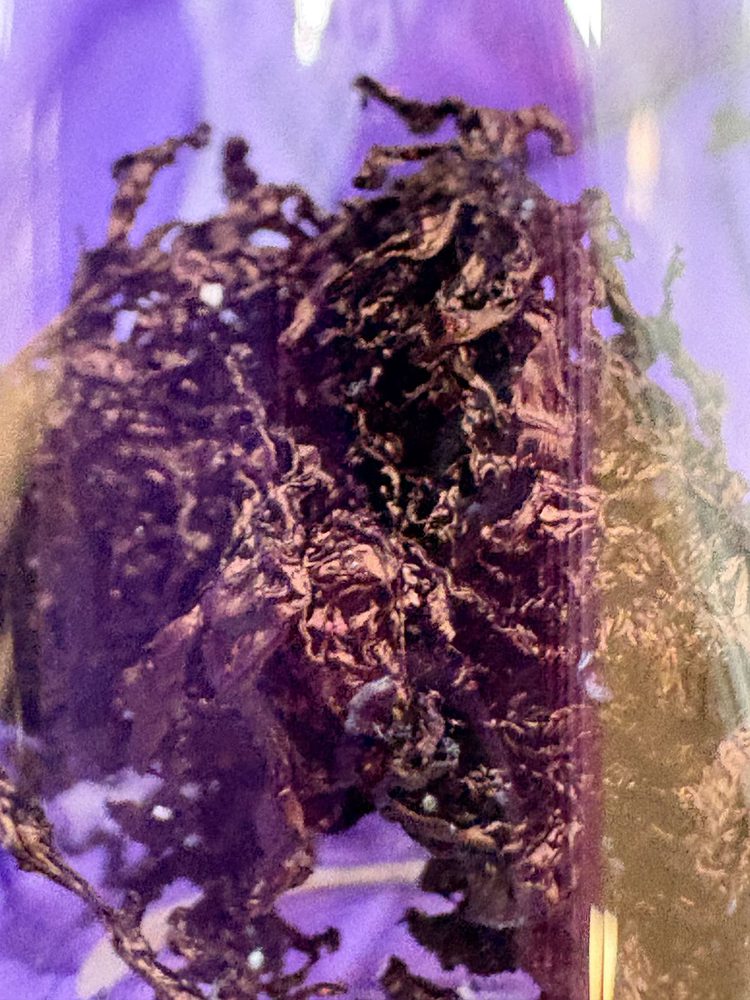
We design and screen new materials through a number of chemistry collaborations around the world, and through in-house synthetic efforts. These studies target organic electronic materials for electrochemical devices with high charge storage capacity, device performance and transduction. We are also interested in understanding degradation mechanisms in order to design more stable materials. New synthetic efforts also target novel form factors and thermally and mechanically responsive materials.
Selected papers
- Bridging length scales in organic mixed ionic–electronic conductors through internal strain and mesoscale dynamicsNature Materials, 2024
- Direct quantification of ion composition and mobility in organic mixed ionic-electronic conductorsScience Advances, 2024
- Conducting Polymer Nanoparticles with Intrinsic Aqueous Dispersibility for Conductive HydrogelsAdvanced Materials, 2023
Sensors & circuits
Novel device concepts for physical, electrical, and chemical sensing
In order to enable a new generation of bioelectronic tools, we aim to develop new sensors and actuators and to integrate them together to enable improved transduction, efficiency, and low power.
Organic electrochemical transistors
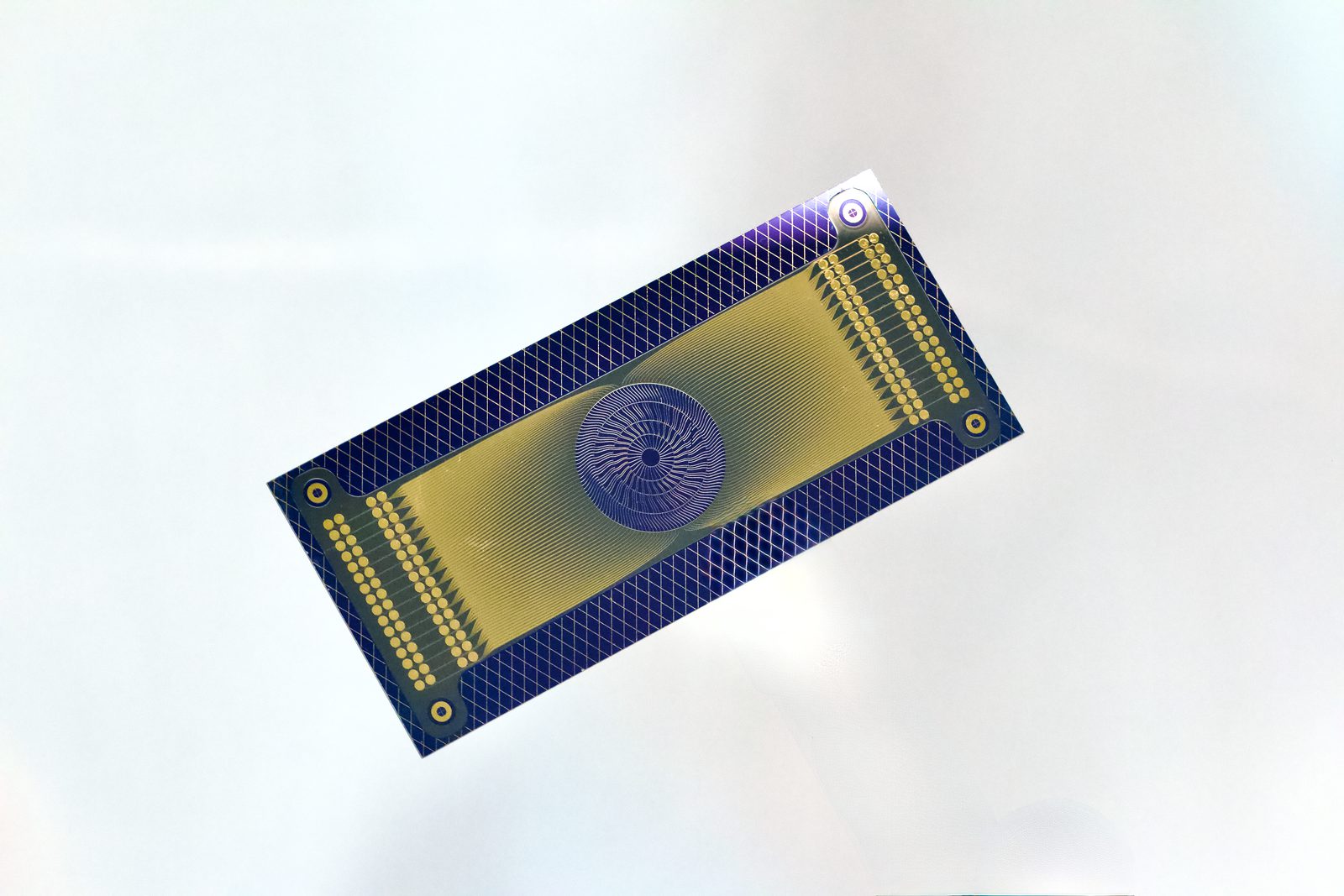
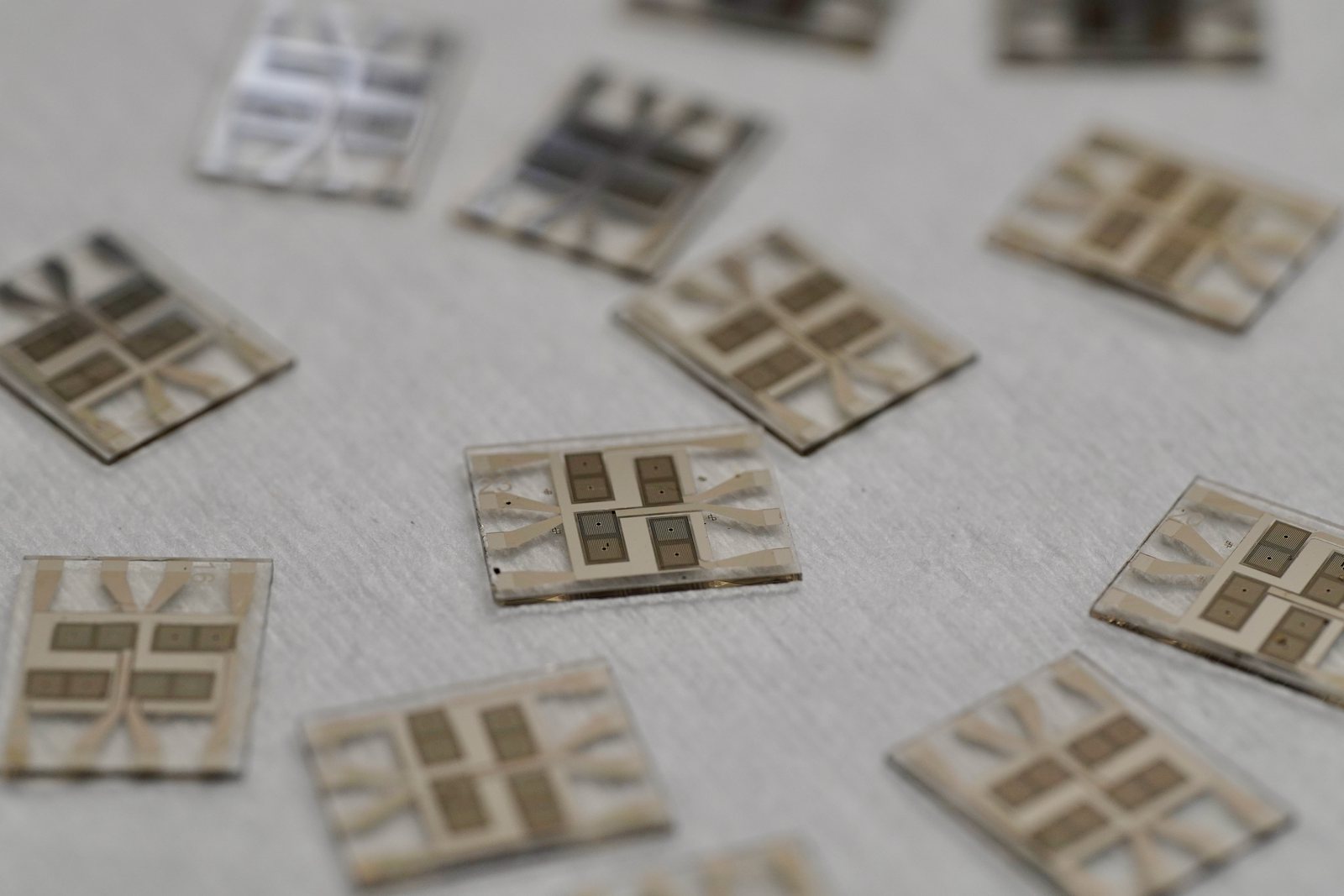
Organic electrochemical transistors (OECTs) are local ionic-to-electronic signal transducers. Different from traditional field-effect transistors, these electrolyte-gated devices rely on bulk or volumetric doping of organic semiconductors owing to the facile penetration of the films with ions. Our group studies these devices and their active materials, and explores their use as sensors for electrophysiology, bio-analyte sensing, and impedance sensing.
Hybrid circuits
Organic electronic materials are unlikely to succeed alone. The added functionality will contribute most to the realm of bio-interfacing when integrated with rising and established technologies. We are interested in hybrid integration of organic electronic components (electrodes, stimulators, OECTs) with traditional inorganic materials for local signal processing, power, and telemetry.
Selected papers
- Organic electrochemical transistors as on-site signal amplifiers for electrochemical aptamer-based sensingNature Communications, 2023
- Tunable anti-ambipolar vertical bilayer organic electrochemical transistor enable neuromorphic retinal pathwayNature Communications, 2024
- Ambipolar inverters based on cofacial vertical organic electrochemical transistor pairs for biosignal amplificationScience Advances, 2021
Applications
Implantable devices, regenerative engineering, and in vitro platforms
Applications targeted within the group look to the unique benefits and opportunities afforded by organic bioelectronic materials and devices. This ranges from enhanced signal transduction and improved safety or longevity to form factors unattainable by traditional bioelectronic materials.
Implantable and wearable devices
Thin film technology, along with organic bioelectronic devices with high inherent amplification or low interfacial impedance, enables ultra-flexible form factors for wearable and implantable applications. Our current interests include integration of sensing and stimulating nodes into devices for bi-directional interfacing with muscle, nerves, and/or skin.
Regenerative engineering
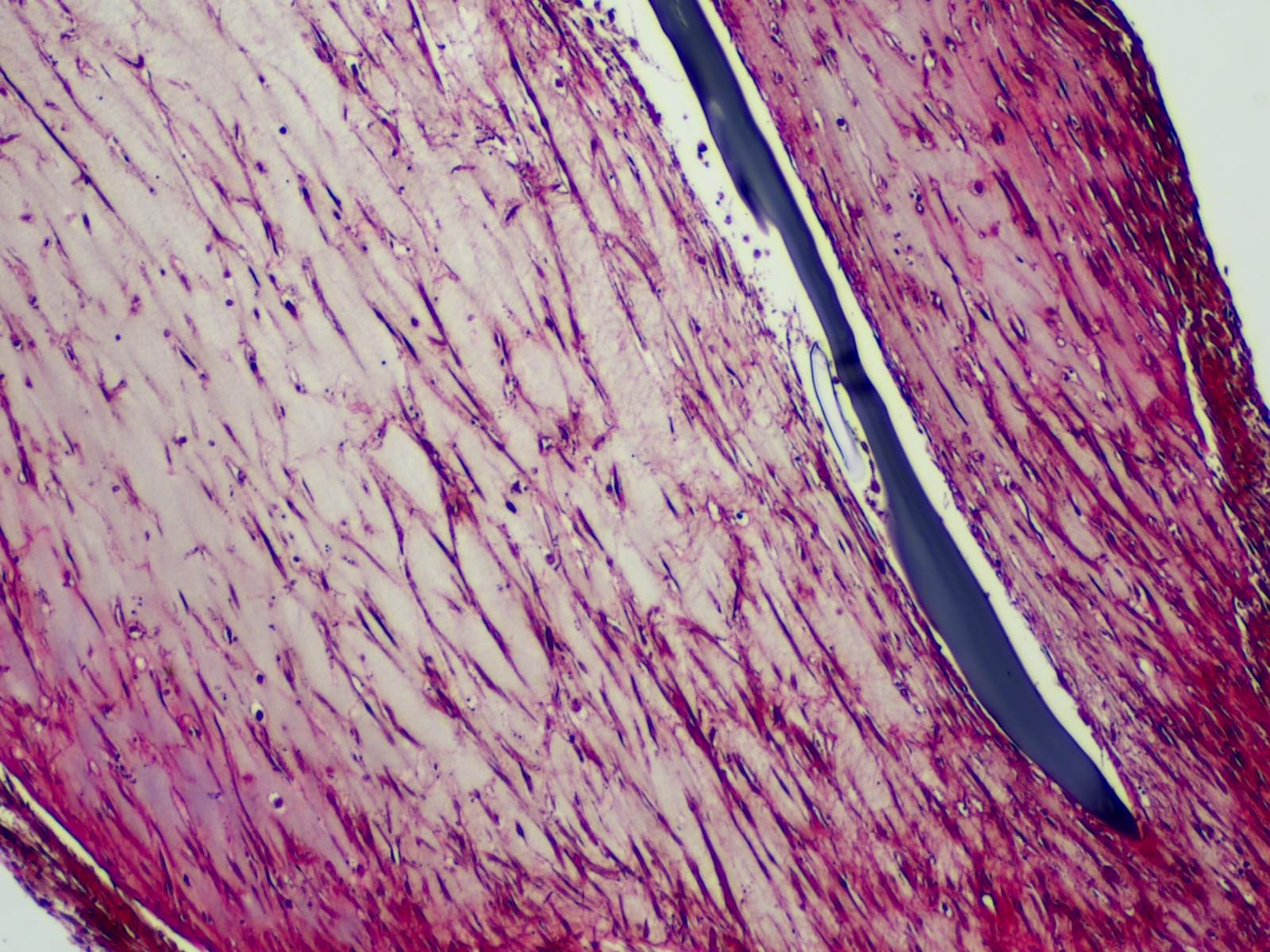
Conducting polymers can take on a number of unique form factors, from fibers to scaffolds to gels, which show promise across applications in regenerative engineering. We target synthetic and composite approaches to enable new opportunities in tissue regeneration. Targets include musculoskeletal, cardiac, and neural tissue.
In vitro platforms
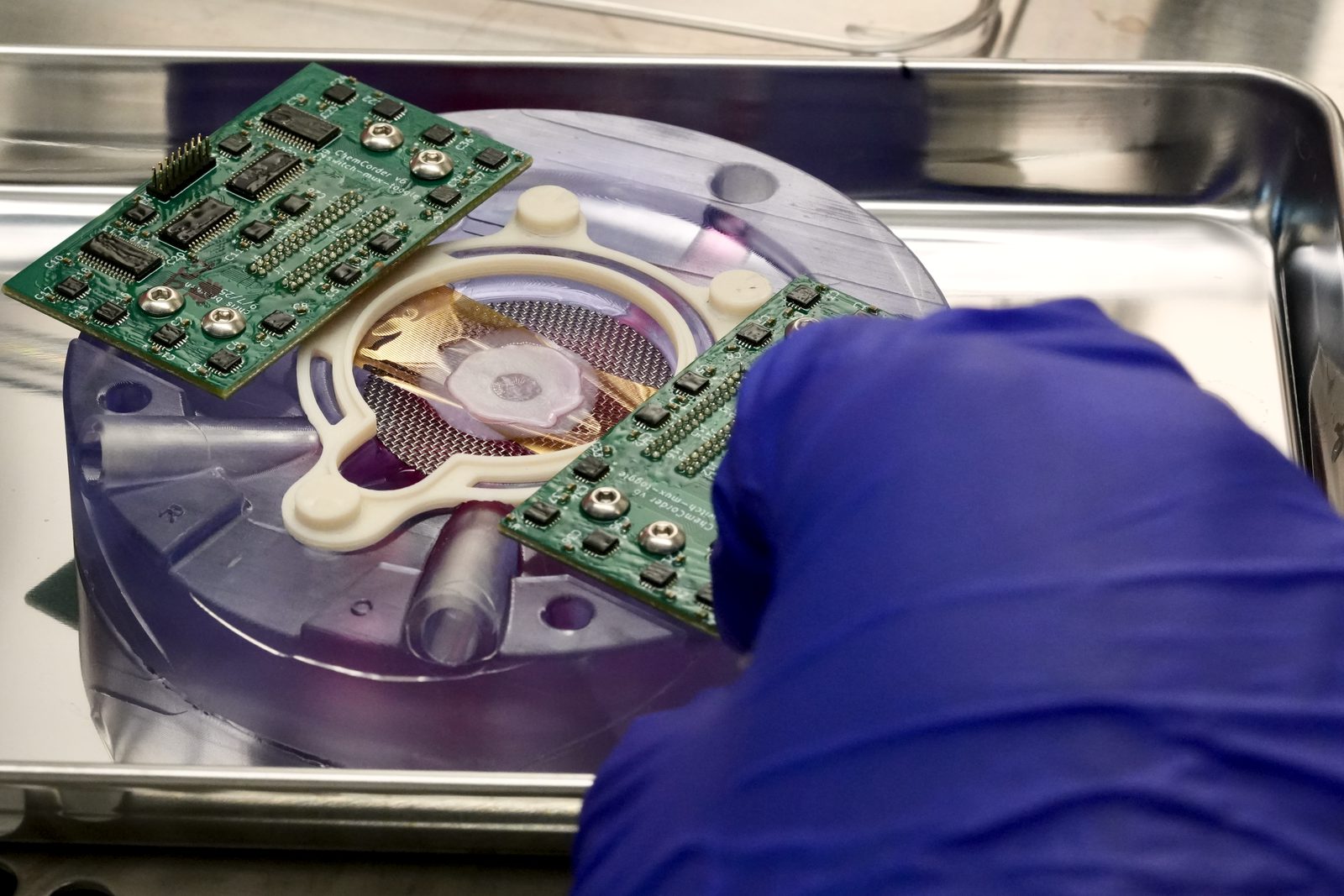
Organic electronic devices can be readily integrated into in vitro platforms to monitor electroactive cell function, as well as to track in-line metabolites and biomarkers, or to monitor the adhesion or coverage of cell layers, or their barrier tissue integrity. Applications in bacterial signaling and swarming of neutrophils are of current interest.
Selected papers
- Decellularized Biohybrid Nerve Promotes Motor Axon ProjectionsAdvanced Healthcare Materials, 2024
- Decoupling the Influence of Poly(3,4-Ethylenedioxythiophene)-Collagen Composite Characteristics on Cell StemnessAdvanced Science, 2024
Support
Our work is funded by the agencies and foundations below and relies on shared facilities at Northwestern and Argonne National Laboratory.
Funding



![bi[o]hub](/assets/img/logos/biohub.svg)




Facilities